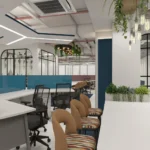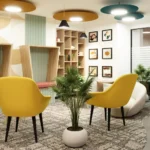
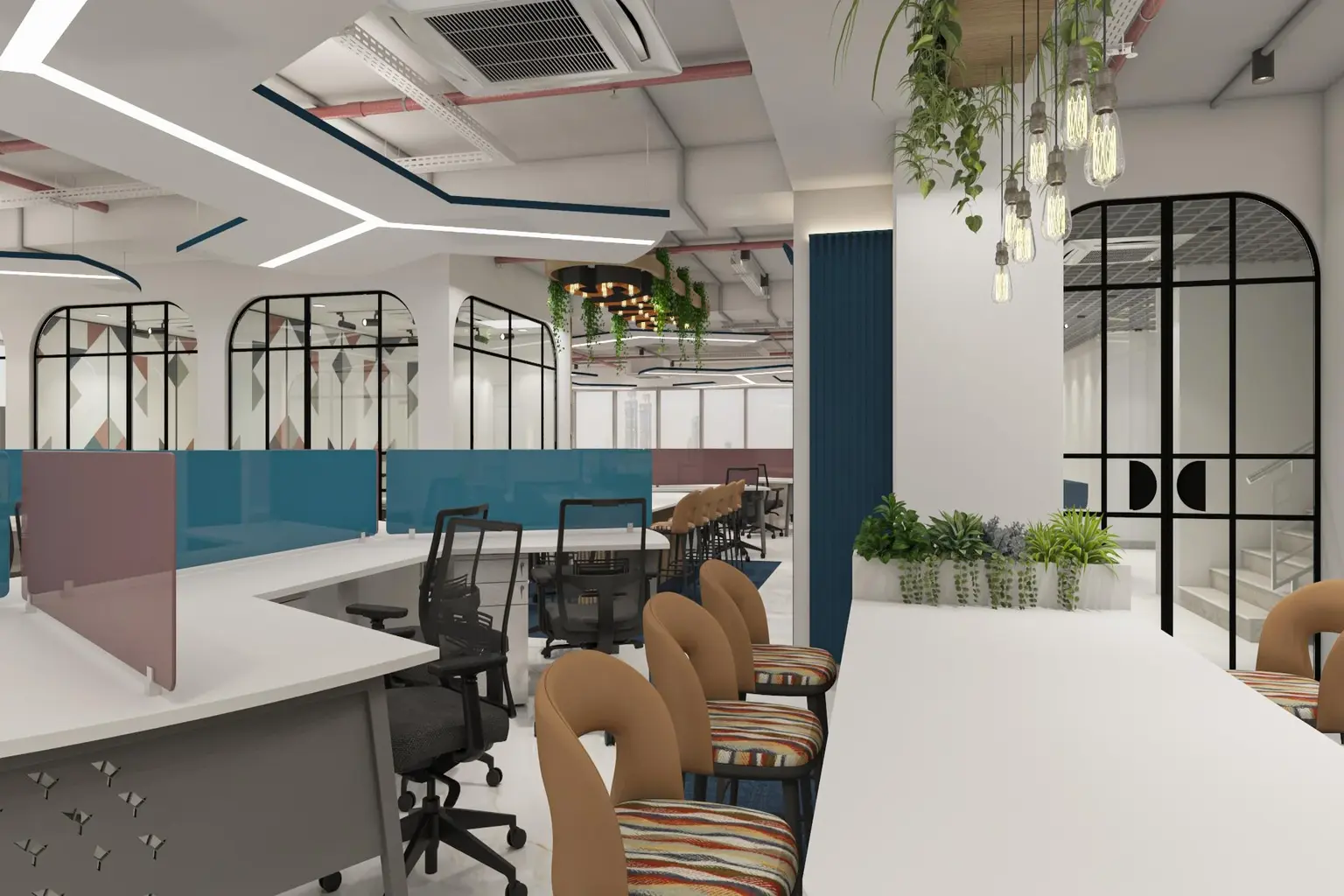
An office isn’t simply 4 walls with a lot of desks. It’s typically the initial impression a client has when they first contact your company and the place your staff spends most of their working hours. By having the right layout, materials, lighting and furniture, a workplace can be professional and comfortable as well as a place people enjoy attending.
The catch to creating a high-end workspace is that it’s not all about corners yelling, “expensive!The trick to creating a luxury workspace, however, is that it is not everything that yells “expensive”. When it comes to luxury office interior design, it’s a balancing act between style and functionality. Each design element should have a job to do rather than be just decoration; and it should contribute to the overall appearance that is consistent across the design.
Keeping that in mind, here are some handy tips to consider when designing a state-of-the-art office space.
How to Plan the Right Office Layout
Before you consider furniture, finishes or decor, start with the layout – how the people you will be living with are going to use the space.
The person should be able to locate the reception area as soon as they enter. Meeting rooms must be located in a place for the visitors to sit. Employee’s spaces must have space for airflow. Private cabins can be located anywhere where privacy is paramount, and collaborative spaces are more effective in proximity to public areas, where people will naturally congregate.
A smart layout can make even a modest-sized office feel a lot bigger than it is. The key is to not place any furniture in the room because the room that feels open and easy to move around in is the room that has adequate amounts of space between the desks, cabins and meeting areas.
This goes for storage too, not as an after thought, but as a consideration from the outset. Integrated cabinets, hidden spaces and built-in equipment help to reduce clutter in the main work areas.
Choosing Premium Materials for a Luxury Office
People don’t realize how materials affect the feel of an office. However, there’s a misconception that is common: Premium doesn’t necessarily equal high cost. Makes good decisions.
When you have a controlled palette of wood veneers, stone, glass, metal, textured laminates, and when you repeat it in a consistent manner throughout the various zones, it blends beautifully together, instead of adding a new accent here and there every few feet.
For example, opt for a warm wood finish, neutral flooring, and some understated metal touches, and you’re on your way to an elegant look. Rather than using stone all over the building, use it to create a feature behind reception.
Remember durability, too. In the practical luxury office interior, a role which is able to endure all day use that is not found in the home. The finishes should be crisp and yet believable to maintain.
Lighting Ideas That Elevate Office Interiors
Lighting can completely change the look and feel of an office.Instead of using a single flat ceiling light fixture throughout the entire space, layer lights for general lighting, task lighting, accent lighting and some decorative lighting. A wide range of moods are achieved thanks to different layers in the right areas without compromising the functionality where it counts.
Comfortable long hours of work requires even lighting for workstations. Decorative pendants or hidden lighting can help reception make a more positive impact. The lighting in meeting rooms should provide a balance between the needs of presentations, video calls, and standard communication.
It’s great to have accent lighting around a feature wall, shelving or architectural detail in executive spaces. The use of backlit panels and hidden LED strips can help to highlight particular areas without over-decorating the entire room.
But don’t forget about natural light. Try to use glass partitions where possible and clear windows, so that daylight does get into the deeper parts of the office instead of just being stuck near the windows.
Turn Empty Walls Into Useful Features
Not all walls are blank walls that need to be filled. It’s important to pause before running out and ordering a wall before determining what it will bring to the office.
It may be better suited to function as a branding wall, artwork wall, additional storage area, acoustically soundproofing, or simply as a textured background without over-doing it.
The golden rule: one job, one feature wall. Once you have a different material, a different graphic or a different pattern for each wall, the office begins to feel busy, even chaotic. In most cases, one carefully executed feature will make a greater impact than five minor ones throughout the room.
Modern Luxury CEO Office Design Ideas
A CEO cabin isn’t just a bigger version of a regular workstation; it needs to support focused work, private conversations, meetings, and a sense of leadership, all while representing the company’s identity.
A modern luxury CEO office design typically works best with a well-proportioned executive desk, comfortable seating for visitors, integrated storage, a feature wall, and maybe a small area for informal meetings.
Honestly, less tends to work better here. Picking one or two strong design elements, a distinctive desk, a textured feature wall, a statement light fixture, or a well-chosen piece of artwork usually makes more of an impact than piling on decoration.
Proportion matters too. A larger cabin can handle a substantial desk plus a separate discussion area, while a smaller executive room is often better served by a compact layout with smart, built-in storage.
How to Create an Impressive Office Reception
Your office’s first impression for most visitors is in the reception area.The reception area should exude the personality of the organization without seeming over-the-top. Clean desk, comfortable chairs, just the right lighting and a good visual setting normally make the first impression.
Whether it’s a wood, stone, metal, glass or illuminated sign, the reception area can be branded with your logo and in all honesty, one good logo makes for a better reception wall than trying to cover it all up.
Not only color, but color here as well. Neutral tones offer a soothing feel and can be complemented by pops of brand colors through furniture, artwork, or lighting to add personality without overpowering the room.
That’s where being thoughtful with luxury office design pays off by creating a special and unique environment without becoming too excessive.
Luxury Office Cabin Interior Design Ideas
Not every cabin in the office needs to look exactly alike, and honestly, they shouldn’t.
Different people work differently. Someone who meets clients often might need extra seating for visitors, while someone who spends most of the day heads-down might need more desk space and storage instead.
The best approach for luxury office cabin interior design is to actually start with how the person works desk size, storage needs, privacy requirements, meeting space, acoustics, and access to daylight all factor in.
Glass partitions are especially useful in modern offices; they keep things feeling open and connected while still marking out individual spaces. Add fluted or tinted glass, blinds, or curtains wherever more privacy is needed.
The goal is a cabin that feels like part of the bigger office while still having its own personality.
Choosing Furniture for a Premium Workplace
Furniture does a lot more than fill up empty floor space; it shapes comfort, movement, productivity, and the overall character of the office.
Executive desks should offer enough room to work without dominating the room. Visitor chairs need to hold up for longer meetings. Conference tables should leave enough clearance for people to get in and out easily.
Workstations, too, should match how people actually work; some teams need quiet, individual focus zones, while others do better with shared tables and informal meeting corners.
And storage, again, works best when it’s built in rather than added on. Full-height cabinets, credenzas, wall-mounted units all of it keeps documents and equipment organized without the office starting to look cluttered.
Integrating Technology Into Modern Office Design
Technology has become a necessity in the workplace, but it should not be the focus of the situation.This includes screens, video conferencing systems, charging points, outlets, cable routing etc., which all should be part of the plan right from the start, not added on later.
Well-placed screens and cameras are necessary in meeting rooms. Charging points are possible on conference tables and charging and power are possible to be out of sight behind the desk for executive tables.One area of cable management deserves mention here, as exposed cables can mar any well-designed office in an instant. Cable routing through furniture, partitions, flooring or wall systems ensures a clean, finished look.
Finally, a good modern luxury office design is about finding the balance between aesthetics and the tools that ensure smooth operations in the business.
Using Textures, Colours and Greenery for Warmth
A premium office doesn’t have to feel cold or overly formal; that’s actually a common trap.
Wood textures, soft fabrics, indoor plants, artwork, rugs, acoustic panels, thoughtfully chosen accessories all help a workplace feel warmer and more comfortable without losing its professional edge.
Texture especially earns its keep when you’re working with a neutral palette. Mixing smooth stone with natural wood, soft textiles, glass, or brushed metal builds depth into a space without needing bold color to do the heavy lifting.
Greenery deserves a spot too around reception, in breakout areas, near meeting rooms, or tucked into corners that would otherwise go unused. Plants soften hard architectural lines and make even large commercial spaces feel more human.
Consistency is really the secret here. Pick a small set of colors and materials, then repeat them throughout, rather than introducing something new in every room.
How to Make Your Office Design Reflect Your Brand
Your business should be your business and not a vanilla store that could be set up by just any company.
Your brand should inform it all, from the colors and materials used, to the furniture, artwork, lighting and signage, and even the arrangement. A professional services company could be better suited to a low-key, elegant color scheme, whereas a creative business may be more at home in bolder hues and more adaptable layouts.
The design should also reflect the way your company works. Should collaboration be your business model, have a pleasant meeting location and break-out space. However, if confidentiality is important then acoustically sound privacy should be favored over open spaces for meetings or enclosed meeting areas.
The optimal office spaces are one that successfully melds identity and real-world requirements that are relevant and suitable for the company in this era while remaining flexible enough to accommodate future expansion.
Final Thoughts
Creating a high-end work environment is not all about how expensive the furniture or finishes are. It’s all about conscious choices on space, material, lighting, furniture, technology, privacy and brand.
The whole experience of the office is enhanced from reception to the CEO’s cabin at the end of the floor. When a client comes through the door a design should be refined and elegant, yet usable and comfortable for everyday use.
Once all these are in place, luxury office interior design is no longer about excess, it’s about building a place to work that’s truly elegant, that benefits business, that’s an expression of you, that’s going to last for years.
FAQs
What are the best office decoration ideas for a modern workplace?
Use suitable colours, comfortable furniture, good lighting, greenery, wall features, and clutter-free layouts.
How can I make my office look modern and professional?
Choose a simple colour palette, functional furniture, layered lighting, branded elements, and minimal décor.
How do I decorate a small office to make it look spacious?
Use compact furniture, wall-mounted storage, light colours, glass partitions, vertical greenery, and clear walkways.
What colours are best for office decoration?
Neutral shades like white, beige, grey, and natural wood work well, with brand colours used as accents.
How can lighting improve office decoration?
Good lighting improves comfort and atmosphere while highlighting important areas such as reception desks, meeting rooms, and feature walls.
How can I use plants in office decoration?
Add low-maintenance plants, vertical greenery, or planters to bring a natural and welcoming feel to the workplace.
How can I decorate my office for Christmas or festivals?
Use simple elements such as warm lights, a tree, wreaths, and small desk decorations without blocking work areas or walkways.
What are common office decoration mistakes to avoid?
Avoid overcrowding, excessive colours, oversized furniture, blocked natural light, poor storage, visible cables, and difficult-to-maintain décor.