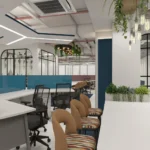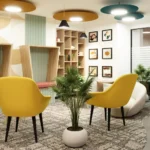
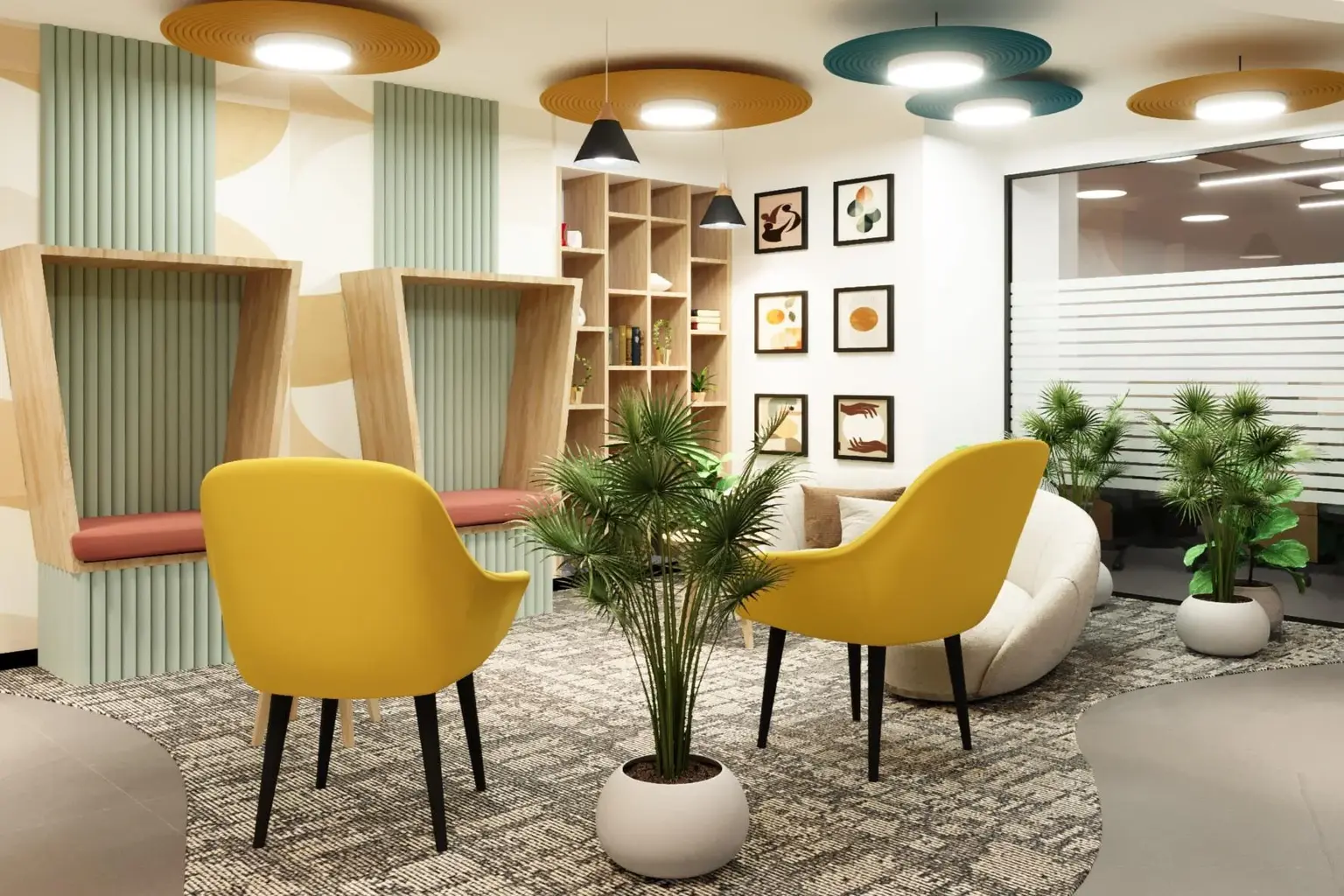
If you walk into an office for the first time, you will usually know within a few minutes whether anyone has thought about it at all. Maybe it’s the soft light by the entrance. Perhaps the reception area does not “feel” cluttered. Or maybe it is the wall colours or that quiet sense that every corner is there for a purpose and not just to fill space.
But here’s the thing: none of that requires a giant budget. Many truly sophisticated offices never had the expense of furniture or decorative frills. It’s usually a matter of choosing the right elements and letting them play off each other, rather than fighting for attention. That’s where good office decoration really counts.
What Does Office Decoration Really Include?
When people search for office decoration ideas, they often start with the obvious things. Wall art. One or two plants. Furniture that shows well in pictures.Still, office decoration goes further than that. You have to think about the paint color and the wall surface. You also have to think about the light in the room and where the shadows land. Then there is the plan of the space, the choice of desks and chairs, and the small items people pass every day.
Even things like posters, signs, and room dividers can change the feel. They can guide where people walk and how the area feels at a glance.It is not only one object. A space can look fine, but feel off if the lights are harsh or if chairs and tables block an easy path.That is why it works to treat decoration as the final part. Do not tack on random extras after the main setup. Get the room right first, then finish it with care.
Plan the Layout Before You Start Decorating
Before you buy furniture or accessories, it helps to actually understand how the office will be used.
How many people will work there? Where will client meetings happen? How much storage does the team really need? Which areas need privacy, and where will people have those quick, informal chats?
These questions matter even more in cities like Mumbai, where commercial space tends to be tight. A well-thought-out layout can make even a compact workplace feel genuinely comfortable.
One rule worth holding onto: figure out how the office needs to function before you decide how it should look.
Choose Colours With a Long-Term View
While colour can transform the character of any workplace, it can also be problematic to jump on the latest bandwagon that doesn’t last.
A neutral base (off white, beige, grey or natural wood) provides you with flexibility of movement. Stronger colors can be added in later with feature walls, upholstery, graphics or furniture details.
Test a shade first in the office lighting and adjacent to your existing flooring and furniture before choosing. Colors that may seem ideal in a small sample could be entirely different in a large room or when applied to a whole wall.
Turn Empty Walls Into Useful Features
Not all walls are blank walls that need to be filled. It’s important to pause before running out and ordering a wall before determining what it will bring to the office.
It may be better suited to function as a branding wall, artwork wall, additional storage area, acoustically soundproofing, or simply as a textured background without over-doing it.
The golden rule: one job, one feature wall. Once you have a different material, a different graphic or a different pattern for each wall, the office begins to feel busy, even chaotic. In most cases, one carefully executed feature will make a greater impact than five minor ones throughout the room.
Use Lighting for Comfort and Atmosphere
One of the simplest aspects to overlook in an office project is lighting, but it can make a huge difference in how that space will look and feel as well as how people will feel in it.
When choosing the type of light fitting for workstations, they should be practical and even; for reception areas, meeting rooms and lounges, more decorative fittings can be used. A textured wall can be accented with concealed LED lights, while a pendant light can focus on a meeting table.
Natural light should be considered as well. If you have decent windows in your office, then avoid unnecessarily cumbersome tall storage units or partitions.
Choose Furniture and Accessories That Earn Their Place
Furniture is one of the largest visual elements in any office, so it deserves careful selection. It needs to be comfortable, properly sized, and in step with the rest of the interior.
The same logic applies to decoration pieces. Plants, artwork, lamps, clocks, rugs, and display items can all add personality but more isn’t automatically better.
Before adding any accessory, ask two simple questions: does it actually improve the space, and can it be maintained without becoming a hassle? If it’s just going to collect dust, get in the way, or turn into a chore, it’s probably not worth having.
Make Small Offices Feel More Spacious
Small offices need a bit more discipline with furniture and decoration too many objects, and the workplace can start feeling cramped fast.
Some practical modern office decoration ideas for smaller spaces include:
- Wall-mounted storage
- Glass partitions where appropriate
- Compact furniture
- Light-coloured finishes
- Vertical greenery
- Built-in storage
- Minimal floor accessories
A small office doesn’t need to look empty to feel spacious. Good proportions, clear circulation, and sensible storage can make a surprisingly big difference.
Create Different Zones for Different Activities
Employees don’t do the same kind of work all day long. They focus at their desks, sit through meetings, take calls, collaborate with colleagues, and grab short breaks in between.
That’s why good office decoration ideas for a modern workplace factor in activity just as much as appearance. Workstations can stay simple and focused, meeting rooms can carry stronger branding, and breakout areas can lean into softer furniture and warmer lighting. Shifts in furniture, lighting, and materials can define these zones without needing to build a single permanent wall.
Connect Branding, Nature, and Corporate Design
A workplace should give visitors some sense of the company they’ve just walked into and that doesn’t have to mean a giant logo on every surface.
Colours, materials, graphics, artwork, and furniture details can communicate brand identity in far subtler ways. Plants and natural finishes soften the environment and make a corporate space feel genuinely welcoming rather than sterile.
When you’re working through office interior decoration ideas for corporate spaces, consistency matters more than almost anything else. Repeating the same materials, colours, or design details across different areas is what makes the whole workplace feel connected.
Add Festive Décor Without Overdoing It
Festivals are an easy way to give the workplace a temporary refresh. Indian offices often decorate for Diwali, Christmas, and other celebrations throughout the year.
For office Christmas decoration, a simple tree, some warm lights, a wreath, or a handful of desk accessories can be enough to create a festive mood. You don’t need to redecorate the whole floor.
The same idea applies to other celebrations too: let the existing interior stay visible, and make sure temporary decorations never block walkways, emergency exits, doors, or electrical points.
Avoid Common Decoration Mistakes
Some offices end up looking cluttered not because they lack design sense, but because too many decisions got made at once, without much of a plan behind them.
Common mistakes worth watching for:
- Buying furniture before finalising the layout
- Using too many colours or finishes
- Choosing oversized furniture
- Blocking natural light
- Filling every empty wall
- Ignoring storage needs
- Leaving cables visible
- Selecting décor that’s difficult to maintain
- Choosing appearance over comfort
At the end of the day, a workplace has to function well on an ordinary working day not just look good in photos taken right after the handover.
FAQs
What are the best office decoration ideas for a modern workplace?
Use suitable colours, comfortable furniture, good lighting, greenery, wall features, and clutter-free layouts.
How can I make my office look modern and professional?
Choose a simple colour palette, functional furniture, layered lighting, branded elements, and minimal décor.
How do I decorate a small office to make it look spacious?
Use compact furniture, wall-mounted storage, light colours, glass partitions, vertical greenery, and clear walkways.
What colours are best for office decoration?
Neutral shades like white, beige, grey, and natural wood work well, with brand colours used as accents.
How can lighting improve office decoration?
Good lighting improves comfort and atmosphere while highlighting important areas such as reception desks, meeting rooms, and feature walls.
How can I use plants in office decoration?
Add low-maintenance plants, vertical greenery, or planters to bring a natural and welcoming feel to the workplace.
How can I decorate my office for Christmas or festivals?
Use simple elements such as warm lights, a tree, wreaths, and small desk decorations without blocking work areas or walkways.
What are common office decoration mistakes to avoid?
Avoid overcrowding, excessive colours, oversized furniture, blocked natural light, poor storage, visible cables, and difficult-to-maintain décor.