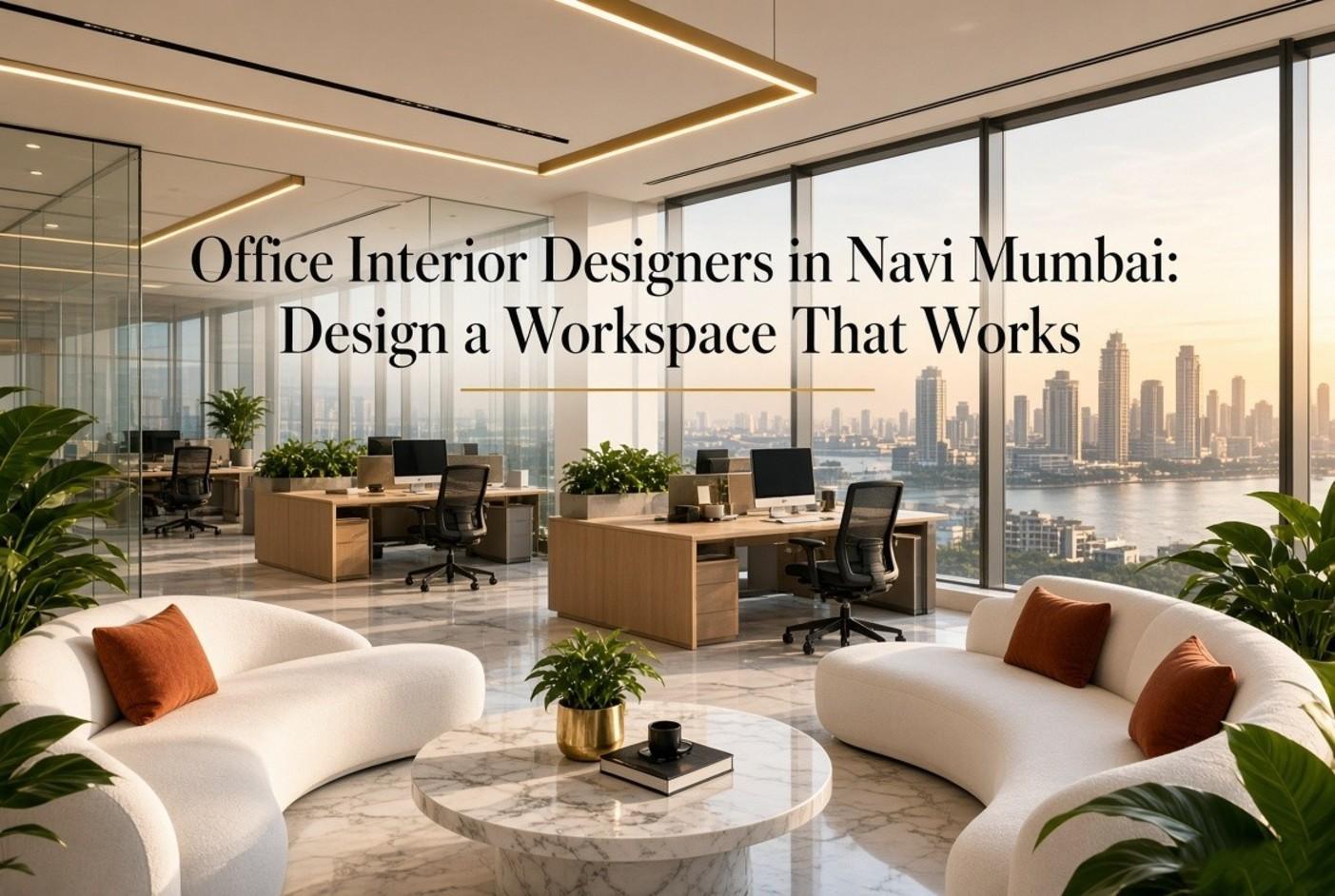
Here’s a quick test. Stand at your office entrance and look around for five seconds. What do you notice first? Is it the glare on the screens, the tangle of wires, the one meeting room everyone fights over? Or does the space feel open, calm and put together?
Your team and your clients feel that first impression every day. This guide is written to help you get it right, whether you’re fitting out a brand-new floor or finally fixing the layout you’ve been putting up with for years. You’ll find practical checklists, cost ranges, common pitfalls and the questions worth asking before you hire anyone.
1. Why Your Workspace Matters More Than You Think
Good office interior design isn’t about expensive finishes. It’s about removing the small daily frustrations that drain energy. A well-planned space can:
- Boost focus by separating quiet and busy zones
- Reduce fatigue through better lighting, seating and airflow
- Help you hire and keep people because workplaces that feel considerate are easier to love
- Impress clients before a single word is spoken
2. Why Navi Mumbai Works So Well for Businesses
Vashi, Belapur, Airoli, Mahape, Rabale and Kharghar have all grown into serious business addresses. Companies choose them for:
- Larger floor plates for the money
- Strong rail, road and metro links
- Modern IT parks and commercial towers
- Less congestion and more greenery
Vashi and Belapur tend to suit finance, consulting and professional firms, while Airoli and Mahape are popular with IT and tech teams. Many interior designers in Mumbai can draw a beautiful concept. The real advantage comes from a team that already knows how Navi Mumbai buildings, vendors and approvals work.
3. Quick Self-Check: Is Your Space Holding You Back?
- People complain about noise, heat or lighting
- The team has grown but the layout hasn’t
- Meeting rooms are chaotic or empty
- Clients walk in and the space doesn’t reflect your brand
- Storage overflows and cables are everywhere
- Hybrid work has left desks sitting unused
4. The Building Blocks of a Great Workspace
A thoughtful office interior rests on a few fundamentals. Get these right and everything else gets easier.
| Element | Why It Matters | Simple Tip |
|---|---|---|
| Lighting | Affects mood, eyesight and energy | Layer natural light with LED; keep screens away from direct glare |
| Acoustics | Noise is the top complaint in open offices | Use acoustic panels, carpets and quiet pods |
| Air quality | Fresh air keeps people alert | Plan ventilation early; add plants for freshness |
| Colour | Sets the mood and reinforces your brand | Choose soft neutrals with a few brand accents |
| Storage and wiring | A tidy space feels calmer | Build storage in and conceal cables |
| Safety | Rarely noticed until it’s needed | Plan fire exits, alarms and electrical load from day one |
5. Which Layout Suits Your Business?
Strong commercial interior design starts by asking what people do all day, then shaping the space around it.
| Layout | Best For | Main Advantage |
|---|---|---|
| Open plan | Startups, sales, creative teams | Easy communication, efficient use of space |
| Cabin-based | Law, finance, consulting | Privacy and focus |
| Hybrid | Companies with flexible work | Mix of collaboration and quiet zones |
| Activity-based | Large, varied teams | Different spaces for different tasks |
| Co-working style | Small, growing teams | Flexibility and lower setup cost |
Most good offices blend two or three. An open sales floor, a few cabins for leaders and a couple of phone booths is a very common and sensible mix.
6. Furniture That Looks Good and Feels Good
Smart office furniture design balances comfort, durability and space. A few points to remember:
- Ergonomic chairs with lumbar support are worth the money
- Height-adjustable desks suit different bodies and habits
- Modular pieces let you reshape the room as you grow
- Good materials outlast cheap laminates and fittings
- Walkways of about three feet between workstations keep movement easy
Plan the layout first, then choose furniture to fit it. Doing it the other way round is how awkward corners are born.
7. How to Choose the Right Design Partner
When you compare office interior designers in Navi Mumbai, look past pretty portfolios. Ask:
- Have you done projects like mine in size and type?
- Can I visit a finished site or speak to a past client?
- Do you handle design, civil, electrical, HVAC and furniture under one roof?
- Will I get an itemised quotation?
- Who manages the site daily, and how often will I get updates?
- What warranty and after-handover support do you offer?
- Are you comfortable with local approvals?
Green flag: they ask about your workflow and growth plans before discussing materials.
Red flag: a price with no breakdown, or promises that sound too quick.
8. How the Process Works
- Discovery: needs, headcount, budget and brand are mapped out.
- Space planning: layouts and zones are proposed.
- 3D concept: you see the finished look before committing.
- Drawings and costing: exact specifications and itemised pricing.
- Approvals: building, society and safety clearances.
- Execution: civil, electrical, carpentry, furnishing and finishing.
- Handover: final inspection, snag list and system walkthrough.
9. What Will It Cost, and How Long Will It Take?
The honest answer is that it depends, and only a written quotation gives you a number you can rely on.
Every workspace is different, so be careful with anyone who quotes a fixed rate before seeing your space. When you speak to office interior designers in Navi Mumbai, ask for a clear breakdown instead of one lump sum, and ask what is and isn’t included.
Here’s what usually moves the cost and the timeline:
| Factor | Effect on Cost | Effect on Timeline |
|---|---|---|
| Size of the space | Larger areas need more material and labour | More area means more execution time |
| Condition of the space | A bare shell needs more civil work than a ready floor | Extra civil work adds time |
| Materials and finishes | Premium finishes cost more | Imported or custom items can take longer to arrive |
| Furniture | Ready-made is usually cheaper than custom-built | Custom pieces need manufacturing time |
| Electrical, HVAC and technology | More points, cabling and equipment raise the bill | Complex systems need more coordination |
| Changes during the project | Late changes often mean rework and extra cost | Rework causes delays |
| Approvals | Delays can add holding costs | Waiting for clearances can pause work |
How to get a realistic estimate
- Share your layout, headcount and wish list upfront so the quote is based on facts.
- Ask for an itemised quotation and a written timeline with key milestones.
- Compare scope, materials and warranty between proposals, not only the final total.
- Ask what could change the price later, and how those changes will be handled.
Smart ways to save
- Lock the design before work starts, since changes mid-project are costly.
- Spend more on items that see daily use, like chairs and flooring.
- Keep a contingency in your budget for surprises, and ask your designer what they recommend for your site.
10. Myths and Mistakes to Avoid
A little foresight prevents expensive regrets.
| Common Belief | The Reality |
|---|---|
| “We’ll sort out the design as we go.” | Changes mid-way cost the most. Plan first. |
| “A cheaper quote is always better.” | Compare scope and materials, not just the total. |
| “Looks matter more than comfort.” | A great-looking chair that hurts is a bad buy. |
| “We only need space for today’s team.” | Plan for two to three years ahead. |
| “Approvals can wait.” | Skipping them can stall the whole project. |
One more tip: ask your team what they’d change. A five-minute survey often reveals problems you’d never notice from the manager’s cabin.
Final Thoughts
A great workplace isn’t about luxury. It’s about giving people a space that makes their day easier. Start with your real needs, set a realistic budget and take your time comparing options.
When you’re ready, talk to a few office interior designers in Navi Mumbai, see how they think and choose the team that listens best. The right partner will build a space that supports you today and grows with you tomorrow.
Frequently Asked Questions
How do I know it’s time to redesign my office?
If people keep complaining about noise, heat or cramped desks, your space is probably working against you. Empty desks and meeting rooms nobody likes using are signs too.
Why do so many companies set up in Navi Mumbai?
You usually get more space for your money, and getting to work is easier with the train, road and metro links. The area is also calmer and less crowded than many other parts of the city.
Open plan or cabins: what should I go for?
It really depends on how your team works. If they talk all day, open plan suits them; if they need quiet and privacy, cabins are better, and many offices end up using a bit of both.
What should I ask a designer before I hire them?
Ask to see work similar to yours, and if you can, visit a finished project or speak to a past client. Also check what they handle themselves and what support they offer after handover.
What are the red flags to watch out for?
Be wary of a quote with no breakdown or promises that sound too good to be true. A designer who talks about finishes before asking how your team works is another warning sign.
What happens once I hire a designer?
They’ll first understand your needs, then plan the layout and show you how the space will look. After that come drawings, costing, approvals, the actual work and a final check at handover.
Why do office fit-out costs vary so much?
Every space is different, from its size and condition to the materials, furniture and technology you choose. That’s why a written quote based on your own space is the only number worth trusting.
How do I get an estimate I can rely on?
Tell the designer upfront what you need, including your layout, team size and must-haves. Then ask for an itemised quote and compare what’s included, not just the final price.
Are there ways to save money without cutting corners?
Finalise your design before work begins, because changes midway are what really push costs up. Spend on things your team uses every day, like chairs and flooring, and keep some budget aside for surprises.
What’s the biggest mistake people make?
Many people rush the planning and start making decisions once work is already underway, which is when things get expensive. Choosing only on price and ignoring what your own team wants are close behind.