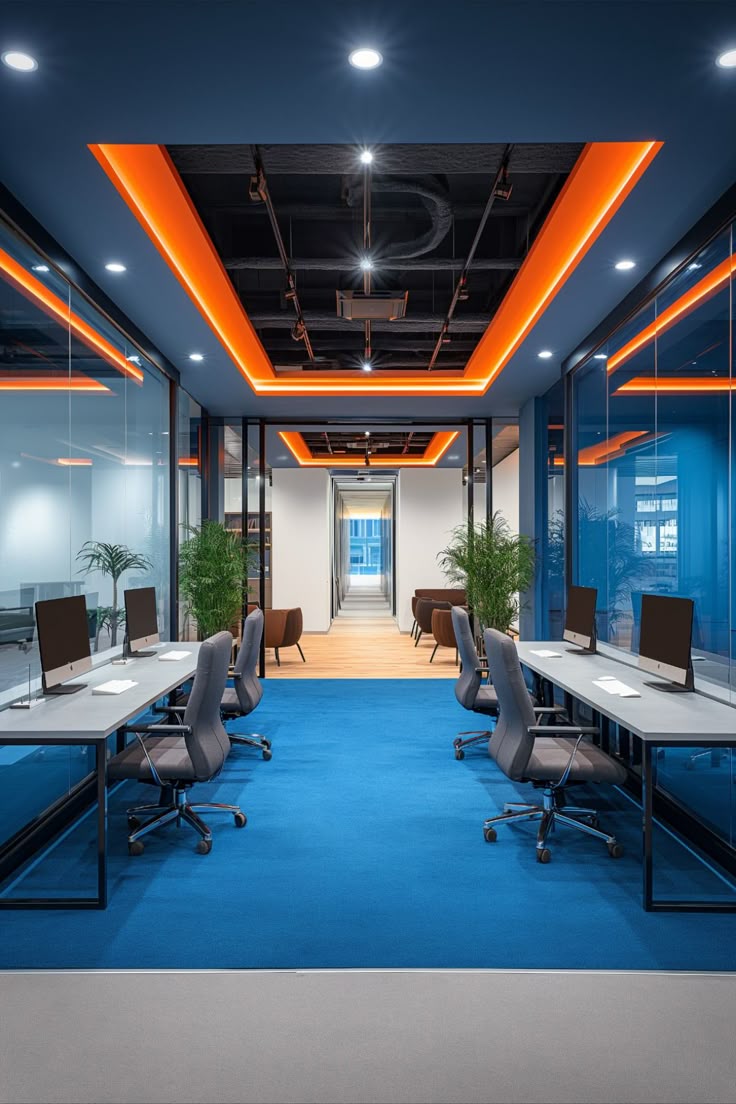
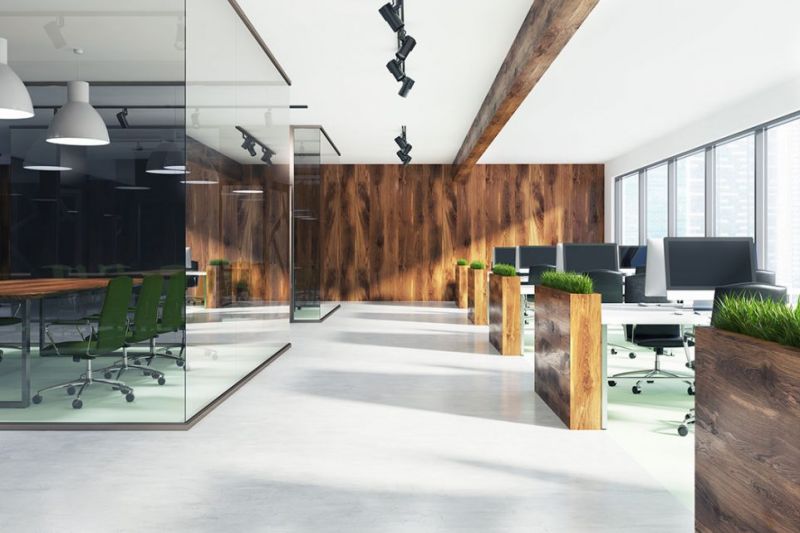
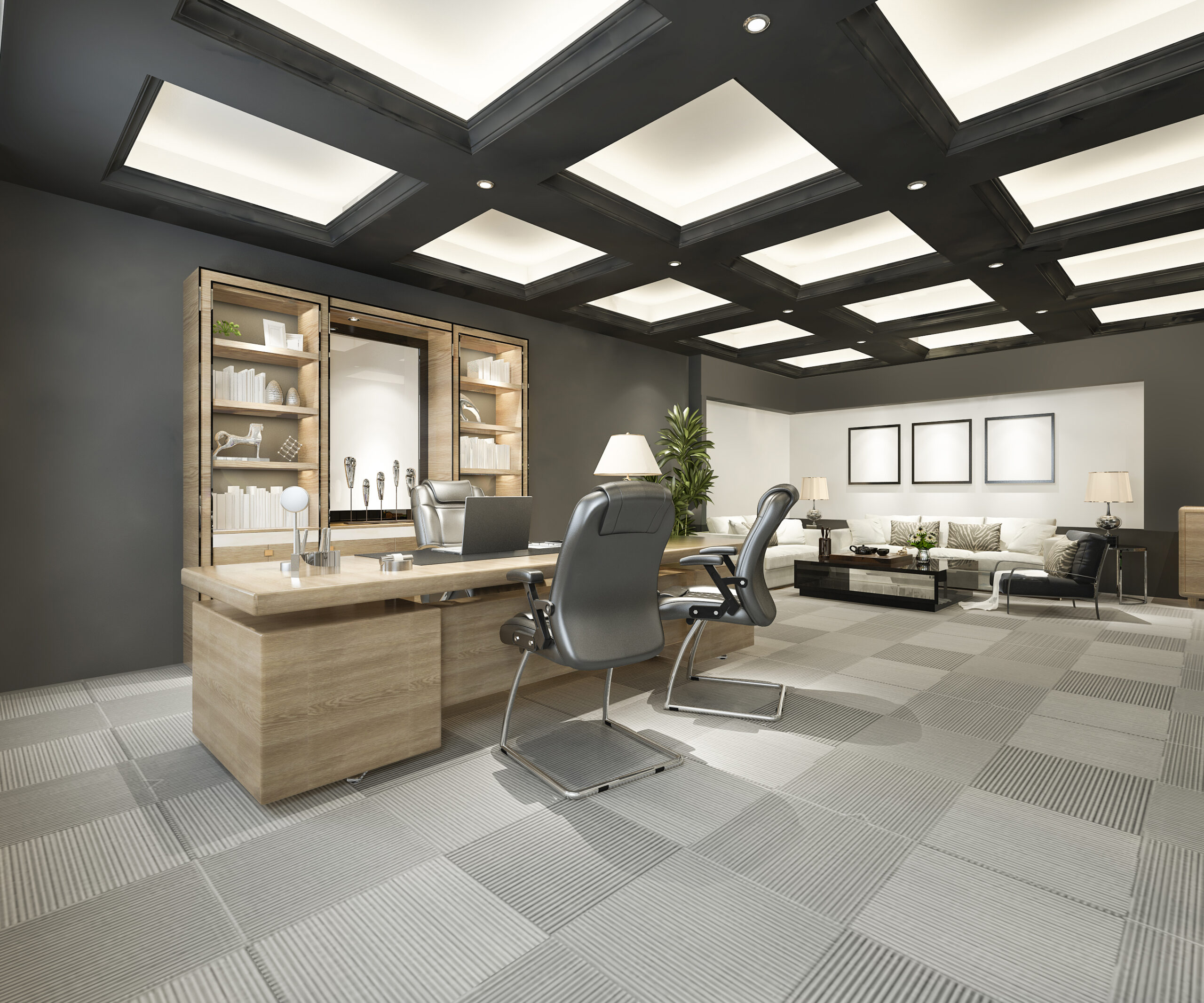
Office interior design for IT companies is a critical factor in creating smart, productive, and future-ready work environments. In the fast-paced world of IT, the office is no longer just a physical workplace — it is a strategic environment that shapes innovation, collaboration, employee well-being, and company culture. With evolving work models, rapid technological growth, and increasing competition for top talent, IT companies need office spaces that are modern, efficient, flexible, and inspiring.
A well-planned corporate office interior design not only enhances productivity but also improves employee satisfaction, strengthens brand identity, and supports long-term business growth. As hybrid work, agile teams, and digital transformation become standard, IT office interiors must be designed to adapt, scale, and perform.
Why IT Companies Need Specialized Office Interior Design
IT offices have unique requirements compared to traditional corporate spaces. Employees often work long hours, collaborate across departments, and rely heavily on technology-driven environments. The workspace must support focus, creativity, teamwork, and comfort while ensuring seamless integration of IT infrastructure.
A thoughtfully designed office layout helps improve workflow, reduce stress, and enhance communication among teams. Professional corporate interior designers understand how to balance aesthetics with functionality, ensuring every area — from workstations to executive cabins — contributes to efficiency and innovation.
Designing Productive Workstations for IT Professionals
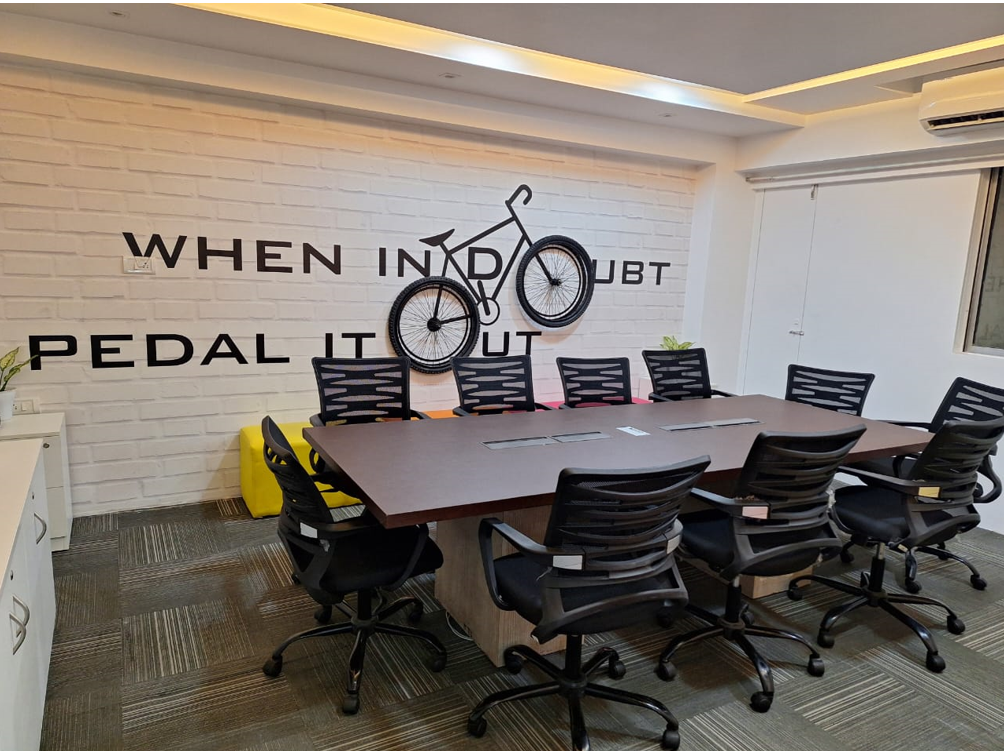
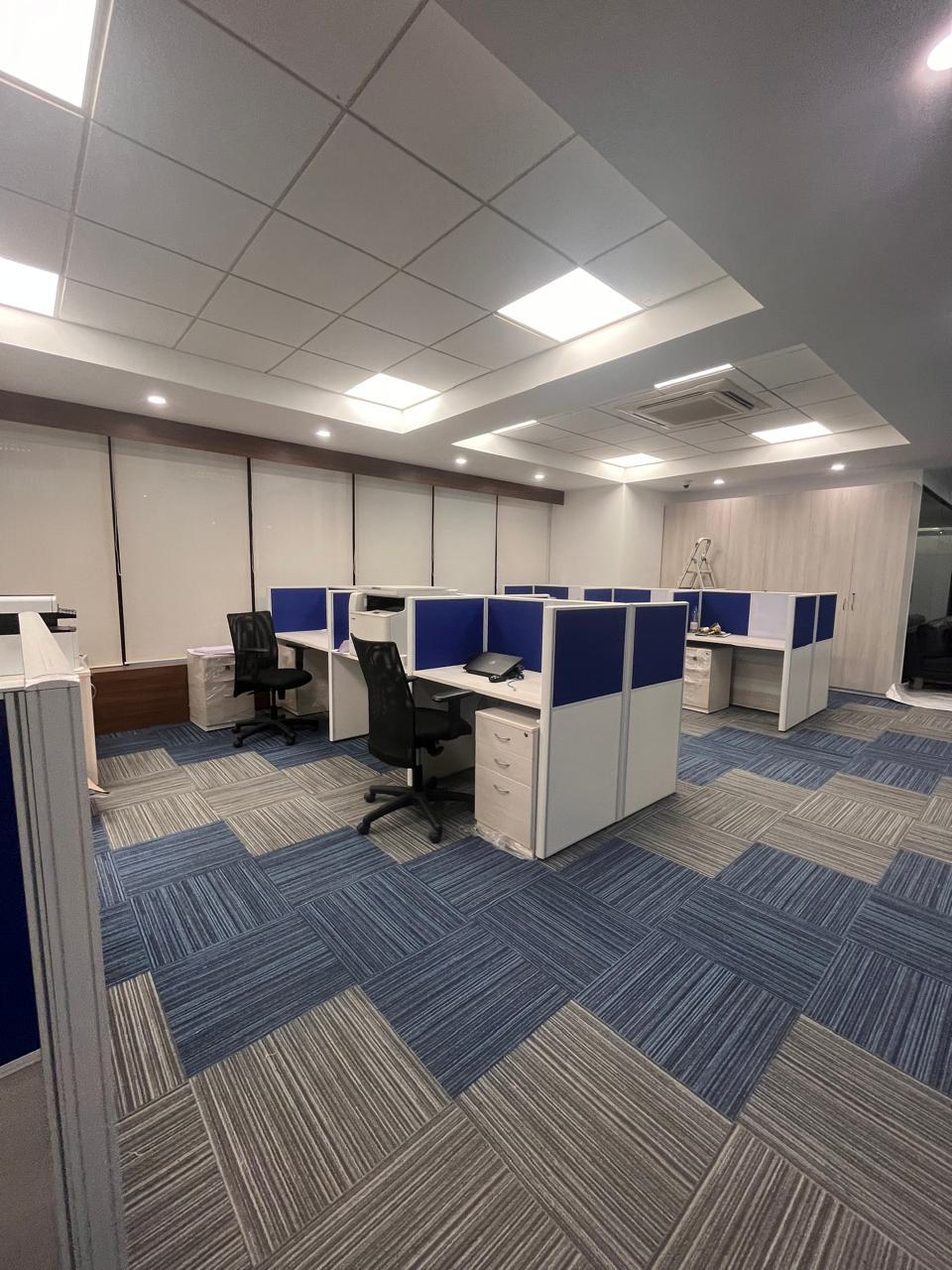
Workstation design plays a critical role in employee health and productivity, especially in IT environments where desk-based work dominates. Ergonomic furniture, adjustable desks, comfortable chairs, and optimized desk layouts help reduce fatigue and improve work performance.Modern office interior design for IT companies focuses on ergonomic workstations that improve comfort, performance, and efficiency.
Modern office desk decoration ideas emphasize minimalism, organization, and personalization, allowing employees to feel comfortable without creating visual clutter. Proper cable management, sufficient storage, and technology-friendly furniture keep workspaces clean, functional, and visually appealing.
CEO Cabins and Leadership Office Interior Design
Executive cabins represent leadership, authority, and brand image. A refined CEO office room interior design should reflect professionalism while maintaining comfort and accessibility. High-quality materials, soundproof office cabin designs, premium finishes, and luxury boss office table designs help create a sophisticated executive environment.
Luxury office cabin interior design also enhances client impressions and supports private meetings, strategic discussions, and high-level decision-making. These spaces should feel both prestigious and practical.
Lighting, False Ceilings, and Workplace Ambience
Lighting has a significant impact on mood, productivity, and visual comfort. IT offices benefit from maximizing natural daylight while incorporating energy-efficient LED lighting to reduce eye strain and enhance focus. Well-designed office false ceiling systems improve acoustics, hide wiring, and elevate the overall interior aesthetic.
A balanced ambience — combining lighting, color schemes, textures, and materials — creates a comfortable environment that supports concentration and creativity. A visually pleasant workspace also boosts employee morale and motivation.
Collaborative Zones and Modern Waiting Areas
Innovation thrives in environments that encourage collaboration and idea-sharing. IT companies increasingly incorporate brainstorming rooms, breakout zones, informal lounges, and relaxation spaces to promote creativity and mental rejuvenation.
A modern office waiting area design also plays a vital role in shaping first impressions. Reception areas should feel welcoming, professional, and aligned with the company’s brand identity, offering visitors a positive and memorable experience.
Technology-Integrated and Future-Ready Office Design
Technology integration is essential in IT office interiors. Smart meeting rooms, audiovisual conferencing systems, structured cabling, high-speed connectivity, and server-friendly layouts ensure smooth operations and scalability.
Future-ready office interiors are designed to adapt to business growth, technological upgrades, and changing workforce needs. A flexible design approach allows companies to reconfigure spaces without major disruptions or renovations.
Turnkey Interior Solutions for IT Companies
Turnkey office interior solutions provide an end-to-end approach, covering everything from concept development and space planning to execution and final handover. This streamlined process ensures consistent quality, faster project timelines, cost control, and reduced coordination challenges.Turnkey office interior design for IT companies ensures faster execution, cost control, and seamless project delivery.
By partnering with a turnkey interior design firm, IT companies benefit from a single point of accountability and a smoother, more efficient office transformation experience.
Trends in Modern IT Office Interior Design
Modern IT offices increasingly embrace flexible layouts, modular furniture, biophilic design, sustainable materials, and acoustic privacy solutions. Many organizations are integrating eco-friendly practices, smart lighting systems, and energy-efficient technologies to support sustainability goals.
Luxury interior elements, bold branding, contemporary finishes, and innovation-focused design themes continue to influence IT workspace aesthetics, creating environments that reflect creativity, professionalism, and forward-thinking values.
How to Choose the Right Interior Designer for IT Offices
Selecting an experienced corporate interior designer is a critical step in achieving a successful office transformation. IT companies should look for firms with proven expertise in commercial and corporate office interiors, strong project management capabilities, and a portfolio of IT workspace projects.
A reliable office interior designer understands business objectives, employee needs, technology integration, and brand identity, delivering a workspace that aligns with both operational and cultural goals.
Conclusion
Office interior design for IT companies goes far beyond visual appeal it drives productivity, innovation, and business success. It influences employee well-being, collaboration, performance, and long-term business growth. A strategically designed IT workspace enhances efficiency, strengthens company identity, and supports long-term growth.
By investing in modern corporate office interior design and working with experienced commercial interior designers, IT companies can build smart, scalable, and future-ready work environments that drive success.
FAQs – Office Interior Design for IT Companies
What makes office interior design for IT companies different from other industries?
IT offices require technology-friendly layouts, ergonomic workstations, collaborative zones, server infrastructure planning, and flexible spaces to support innovation, long working hours, and rapid business expansion.
How does office interior design improve productivity in IT companies?
A well-designed workspace reduces distractions, enhances comfort, improves lighting and acoustics, supports teamwork, and creates an environment that encourages focus, creativity, and efficiency.
What are the key features of a modern IT office interior?
Modern IT offices typically include ergonomic furniture, smart meeting rooms, breakout areas, acoustic solutions, efficient lighting, structured cabling, branding elements, and flexible workspace layouts.
Why is turnkey office interior design beneficial for IT companies?
Turnkey solutions provide end-to-end project execution, reducing delays, controlling costs, ensuring quality consistency, and simplifying coordination through a single point of responsibility.
How long does it take to design and execute an IT office interior?
The timeline depends on office size, design complexity, customization level, and project scope, but most IT office interior projects typically take between 6 to 16 weeks.
What should IT companies consider when selecting an office interior designer?
They should evaluate experience in corporate interiors, IT-specific project expertise, design quality, execution capability, budget transparency, project management approach, and previous client feedback.
How can office design help IT companies attract and retain talent?
A modern, comfortable, and visually appealing workspace improves employee satisfaction, supports work-life balance, enhances company culture, and strengthens employer branding.