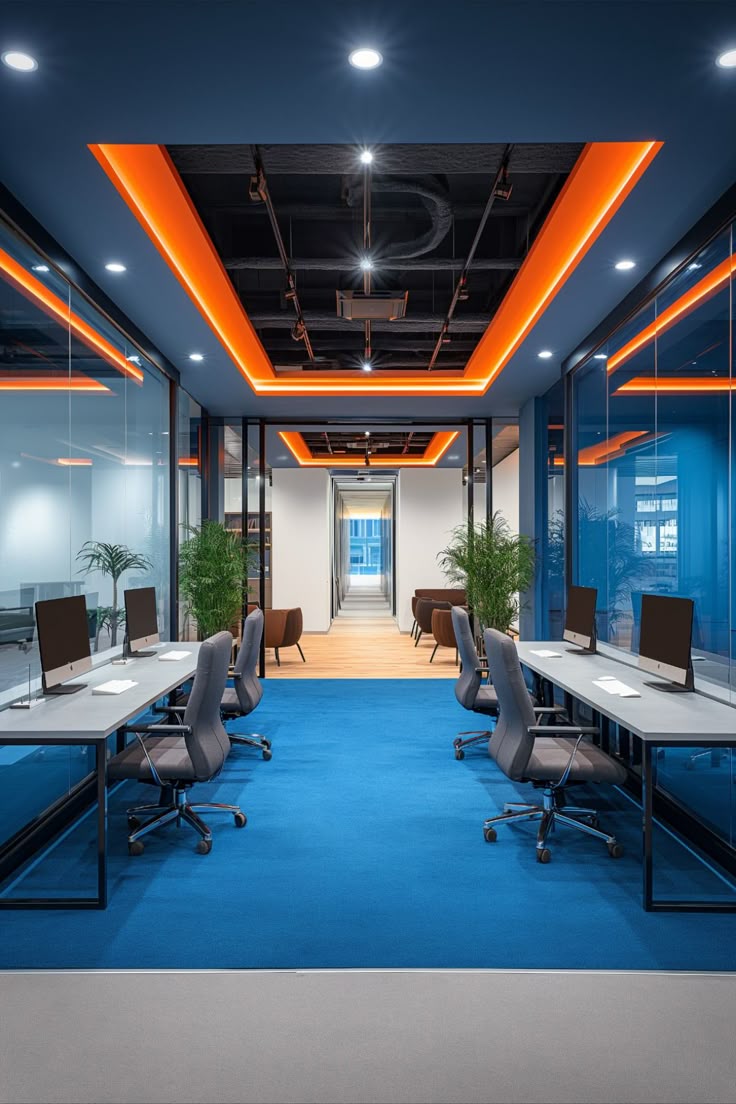
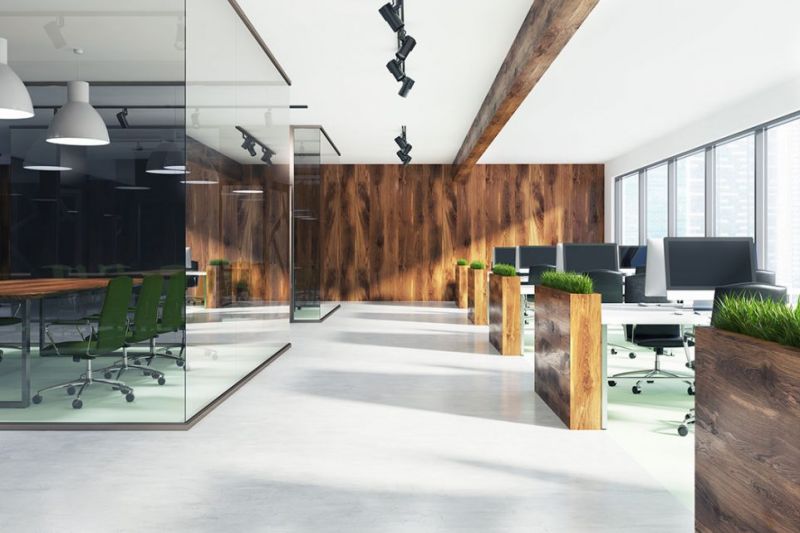
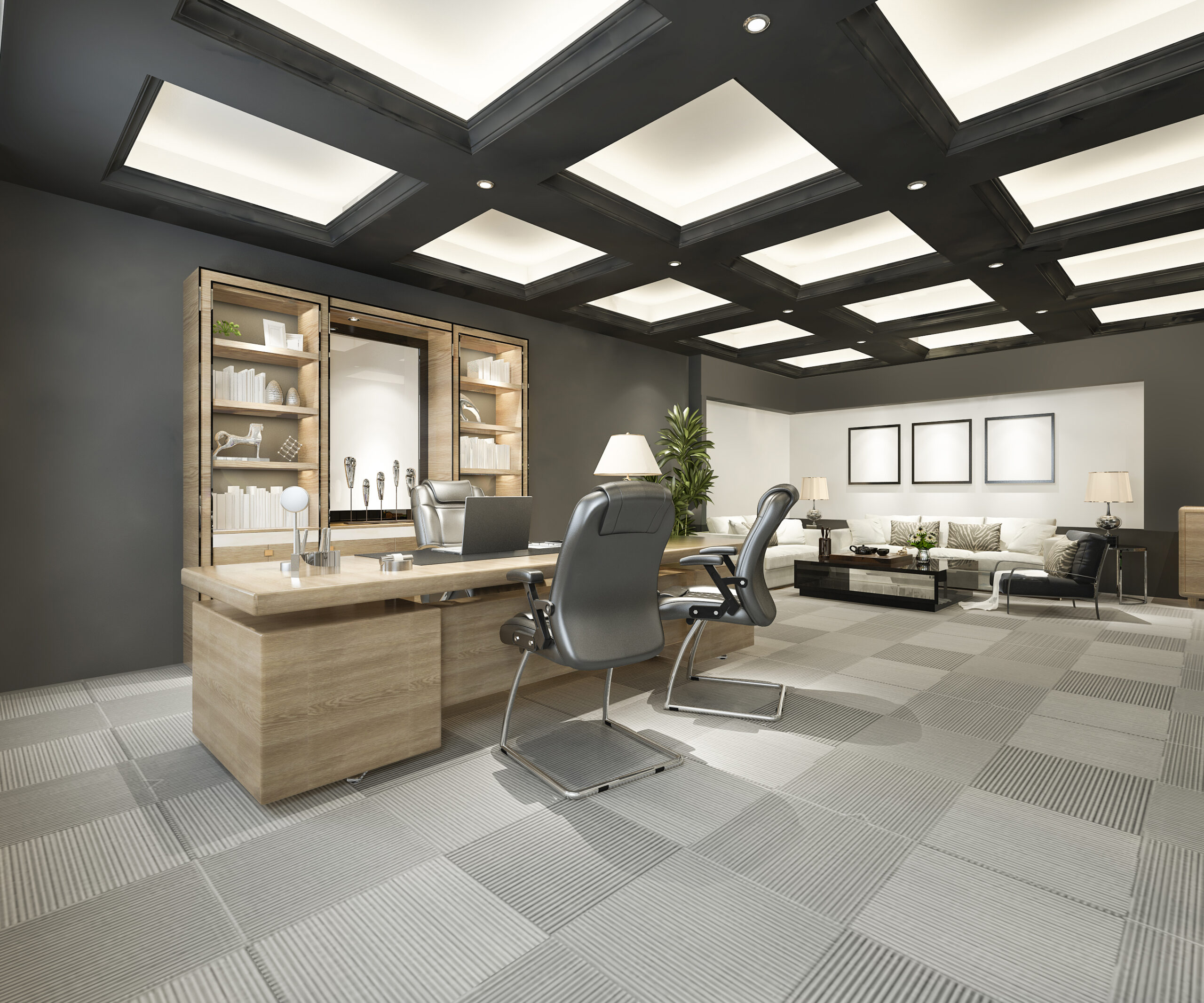
An IT office today is not just a physical workspace — it is a performance engine that supports innovation, collaboration, and business growth. As technology companies scale and adapt to evolving work models, the role of thoughtful office interior design has become more critical than ever. A well-designed IT workspace can enhance efficiency, improve employee experience, and reflect a company’s forward-thinking culture.
Modern organizations increasingly recognize that workspace design impacts productivity, talent retention, and brand perception. The right interior strategy blends functionality with comfort, technology integration, and refined aesthetics, ensuring the office supports both focused individual work and collaborative team dynamics.
The Importance of Interior Design in IT Offices
A professionally designed IT office creates an environment where teams can work seamlessly without friction or distraction. Beyond visual appeal, smart office design supports workflow optimization, space efficiency, and employee well-being.
A strong interior approach helps organizations create structured work zones, comfortable workstations, inspiring common areas, and technology-ready meeting rooms. It also contributes to improved morale, stronger company identity, and a workspace that feels both modern and purpose-driven.
Core Principles of Modern IT Office Design
Strategic Space Planning
Effective space planning ensures smooth movement across departments while maintaining privacy where needed. A balanced mix of open collaboration areas, dedicated focus zones, meeting rooms, and informal breakout spaces allows teams to work more effectively without overcrowding.
Ergonomic & Functional Workstations
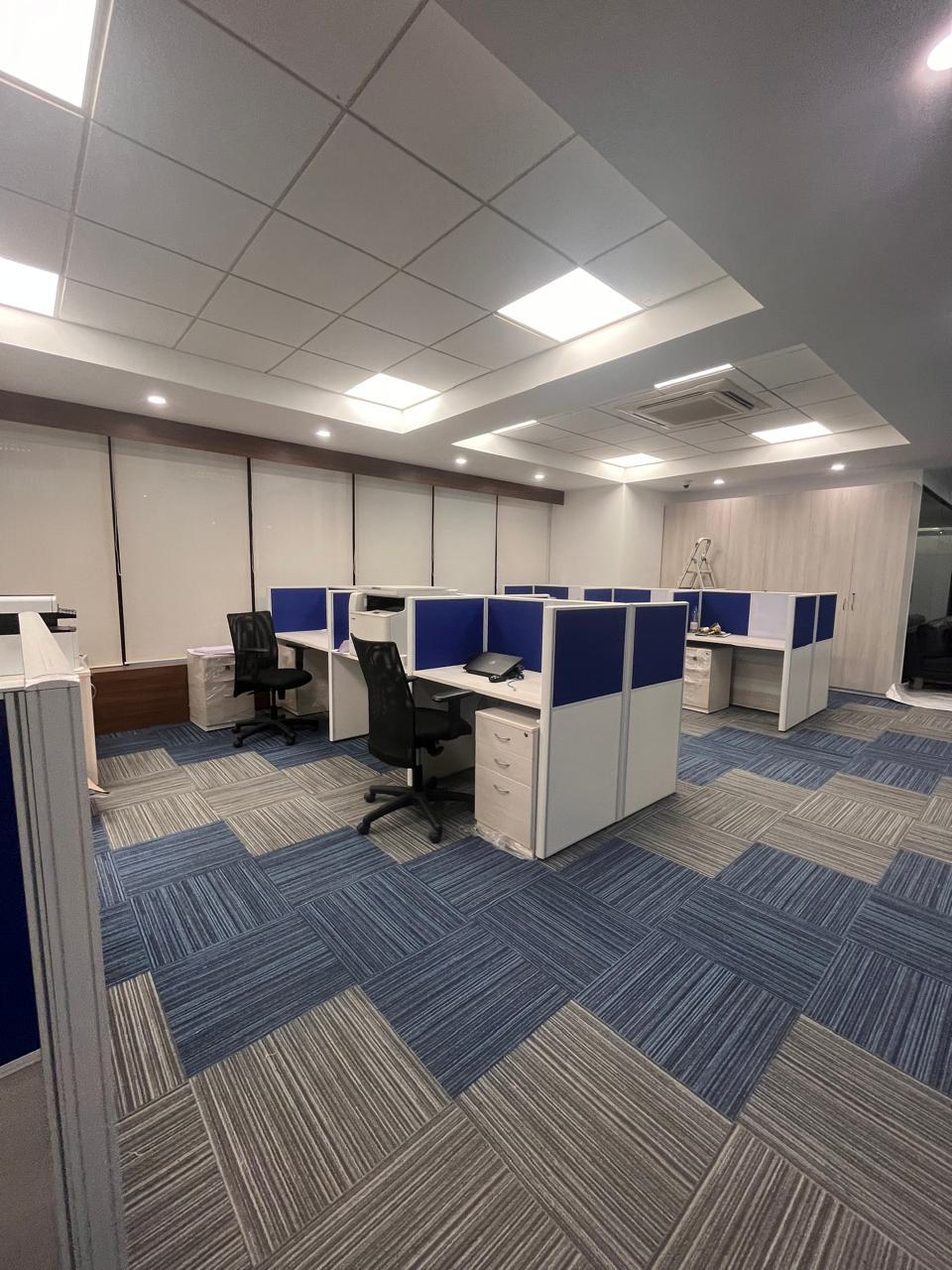
Comfort plays a key role in long-term productivity. Thoughtfully designed seating, well-proportioned desks, proper lighting, and organized layouts help reduce physical strain while improving concentration and daily work efficiency.
Technology-Enabled Infrastructure
An IT office must support evolving digital requirements. From network planning and structured cabling to smart meeting room systems and automation, the workspace should enable seamless technology use without visual clutter.
Acoustics, Lighting & Comfort
Sound control and lighting design contribute significantly to workplace focus. Acoustic treatments, controlled ambient lighting, and task lighting help create a calm yet energetic environment suited to high-performance teams.
Visual Identity & Brand Expression
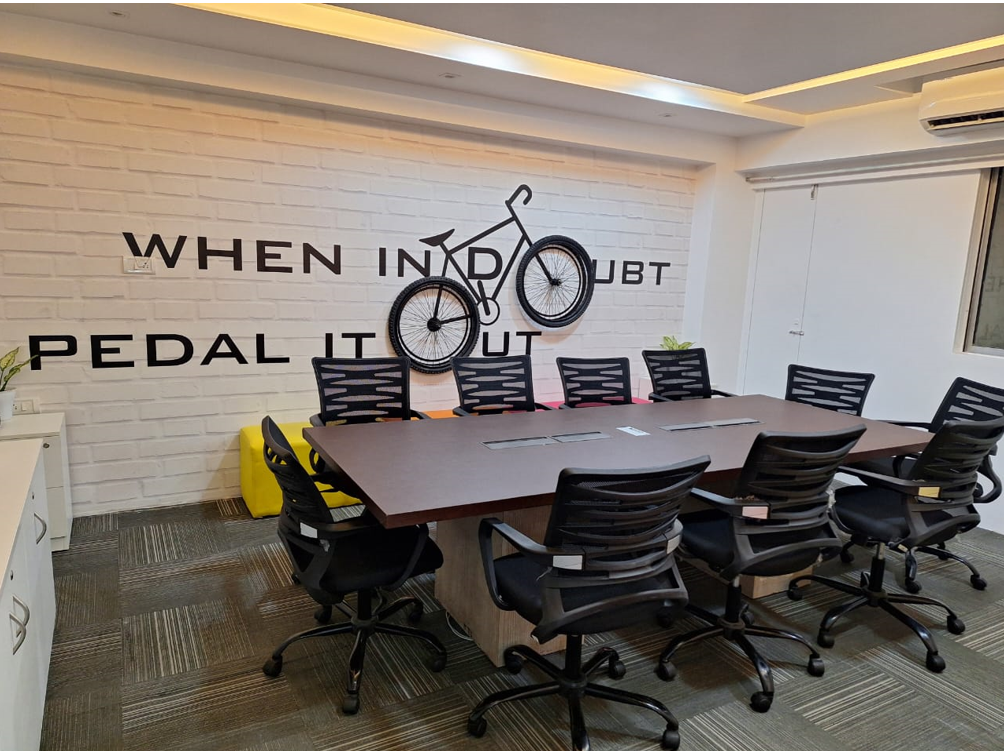
Interior styling plays a subtle but powerful role in shaping company image. Contemporary finishes, refined color palettes, creative wall elements, and custom branding features create a workspace that feels both professional and distinctive.
Emerging Trends in IT Office Interiors
Flexible & Scalable Layouts
Modern IT companies require adaptability. Modular furniture systems and flexible planning allow offices to evolve as teams grow or restructure, reducing the need for major renovations.
Minimalist & Clean Design Language
Clutter-free layouts, simple material palettes, and refined finishes help create a calm, distraction-free environment while reinforcing a polished corporate identity.
Biophilic & Wellness-Oriented Spaces
Natural elements such as indoor plants, textured materials, and access to daylight enhance comfort, improve mood, and contribute to healthier work environments.
Smart & Sustainable Workspaces
Energy-efficient lighting, automation systems, and eco-conscious materials are becoming integral to contemporary commercial interior planning, supporting both sustainability and operational efficiency.
Designing IT Offices for Performance & Growth
A high-performing IT workspace is designed with long-term business objectives in mind. The ideal office supports efficiency, collaboration, adaptability, and employee satisfaction without compromising aesthetics or functionality.
By integrating intelligent planning, ergonomic comfort, and refined interior styling, companies can build workspaces that encourage innovation while maintaining operational discipline. A well-crafted IT office also enhances client confidence by projecting a strong, modern corporate image.
Why Staging Spaces Design Is a Trusted Partner for IT Offices
At Staging Spaces Design, we specialize in creating tailored workplace environments that align with business goals, brand identity, and evolving operational needs. Our expertise spans corporate interiors, workspace planning, and turnkey execution, ensuring a seamless journey from concept to completion.
Our Approach to IT Office Interiors
Customized Workspace Strategies
Each project is designed around workflow efficiency, team structure, and future scalability.
End-to-End Execution
From concept development and design planning to on-site implementation, every phase is managed with precision and attention to detail.
Balanced Design & Functionality
We combine modern design sensibilities with practical planning to create offices that are visually refined and operationally efficient.
Conclusion: Building Smarter IT Work Environments
A thoughtfully designed IT office is more than an interior upgrade — it is an investment in people, productivity, and long-term success. By prioritizing intelligent planning, employee comfort, and future-ready infrastructure, organizations can create workspaces that support innovation and sustainable growth.
With the right design partner, an IT office can become a dynamic environment that reflects professionalism, enhances efficiency, and empowers teams to perform at their best.
FAQs About IT Office Interior Design
What makes IT office interior design different from regular office design?
IT offices require stronger technology integration, ergonomic planning, flexible layouts, and infrastructure planning to support intensive digital workflows.
How does office interior design impact productivity?
Well-designed workspaces improve focus, reduce fatigue, enhance collaboration, and create a more comfortable environment that supports daily performance.
Can IT office interiors be designed for future expansion?
Yes. Scalable layouts, modular furniture, and adaptable planning ensure offices can grow without requiring major redesigns.
How long does it take to complete an IT office interior project?
Timelines depend on project size and complexity, but most projects range from several weeks to a few months.
Why choose a professional corporate interior designer?
A professional ensures optimal space utilization, design consistency, efficient execution, and a workspace aligned with business objectives.