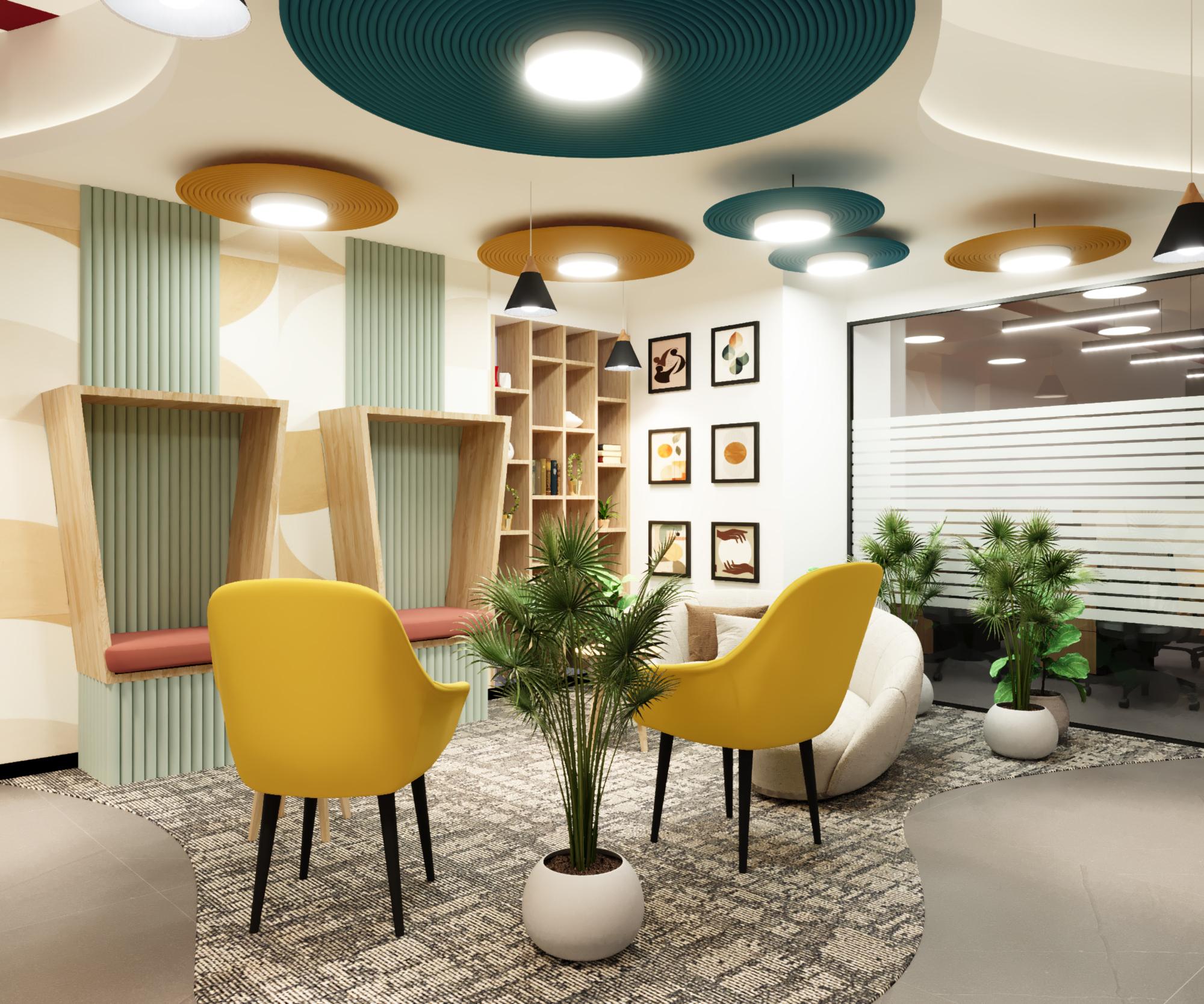

A successful Thane office transformation goes beyond selecting attractive furniture or a visually pleasing layout. The materials used throughout the space—on walls, floors, ceilings, furniture, partitions, and décor—define how your office performs in terms of longevity, acoustics, appearance, safety, and employee well-being.
With Thane’s growing corporate culture and rising demand for modern, efficient workplaces, choosing the right materials is key to building an office that inspires productivity, reflects professionalism, and withstands daily use.
Below is a detailed guide covering the best, most reliable materials for your workspace.

1. Wood – The Classic Foundation of Warm & Elegant Workspaces
Wood continues to be one of the most trusted materials in interior design because of its ability to create a naturally warm and luxurious atmosphere.
Why Wood Works Well in Thane Offices
- Temperature-friendly: Wood maintains a comfortable feel in Thane’s humid climate, especially when properly treated.
- Versatility: Ideal for desks, partitions, wall claddings, false ceilings, storage units, and conference tables.
- Long-term durability: Hardwoods like teak and oak can last decades with minimal maintenance.
- Design flexibility: Works well with modern, minimalist, industrial, or premium corporate themes.
Best Wooden Materials for Office Use
- Plywood: Strong, cost-effective, perfect for cabinetry and tables.
- MDF/HDHMR: Smooth finish, great for painted surfaces and partitions.
- Veneers: Add richness and texture without the cost of solid wood.
- Reclaimed wood: Eco-friendly, unique, and visually striking.
Pro Tip:
Choose waterproof or termite-resistant treatments if your office is on a lower floor or in a moisture-sensitive area.
2. Glass – Transparency, Collaboration & Space Optimization
Glass is one of the most effective materials for creating open, bright, and collaborative work environments—ideal for compact office spaces often found in Thane’s business districts.
Advantages of Using Glass
- Enhances natural light: Reduces electricity costs and promotes alertness and mood elevation.
- Visually expands small spaces: Makes rooms feel larger and less confined.
- Improves communication: Transparent partitions maintain visual connectivity among team members.
- Creates privacy smartly: Frosted or tinted glass adds discretion without blocking light.
Types of Glass to Consider
- Tempered glass (strong and safe for partitions)
- Laminated glass (ideal for soundproof cabins)
- Frosted glass (privacy without heaviness)
- Textured glass (aesthetic appeal)
Practical Uses in Offices
- Meeting room partitions
- Cabin enclosures
- Glass boards
- Balcony or façade enhancements
3. Metal – Sleek, Modern & Incredibly Strong
Metal brings structure, elegance, and toughness to workspaces—perfect for offices with high foot traffic.
Where Metal Works Best
- Table and chair frames
- Partition supports
- Shelving systems
- Lighting fixtures
- Accent décor pieces
Popular Office-Friendly Metals
- Stainless steel: Corrosion-resistant and low-maintenance.
- Aluminum: Lightweight and stylish.
- Iron/steel in matte black finish: Ideal for industrial or contemporary styles.
- Brass: Adds luxury to reception or executive cabins.
Why Metal is Great for Thane Offices
Thane’s coastal climate makes rust protection essential—metals like stainless steel and powder-coated aluminum hold up well.
4. Stone & Marble – For a High-End, Professional First Impression
Stone materials elevate your office instantly, making them especially popular for reception areas and executive zones.
Key Advantages
- Strong visual impact suitable for client-facing areas
- Extremely durable even in heavy-use zones
- Stain resistance (especially with granite)
- Temperature regulation, keeping spaces cool
Best Stone Options for Offices
- Granite: Ideal for worktops, reception desks, and high-traffic areas.
- Marble: Perfect for feature walls, floors, and luxury cabins.
- Quartz: Durable, stylish, and low-maintenance.
Design Tip:
Use stone sparingly in smaller offices to avoid overwhelming the space—combine with wood or glass for balance.
5. Sustainable Materials – Healthy, Environment-Friendly & Trending
As businesses in Thane shift toward wellness-focused office design, sustainable materials have become a top choice.
Eco-Friendly Material Options
- Bamboo: Highly renewable and visually appealing.
- Cork: Excellent for acoustic control and flooring comfort.
- Recycled wood: Adds character and supports green design.
- Low-VOC paints and adhesives: Improve indoor air quality.
Benefits for Productivity
- Fewer toxins = improved employee health
- Better acoustics = fewer distractions
- Natural materials = reduced stress levels
Perfect For
- Creative agencies
- Wellness-focused offices
- Green-certified buildings
6. Textiles – Softness, Comfort & Acoustic Control
Textiles play a crucial role in creating comfortable and acoustically balanced offices.
Where Textiles Make a Difference
- Upholstery for chairs, sofas, and booths
- Curtains or blinds for windows
- Acoustic wall panels
- Rugs and carpets
Benefits
- Reduce echo and noise levels, especially in open-plan offices
- Introduce color and texture for aesthetic enhancement
- Improve seating comfort for long working hours
Material Recommendations
- Performance fabrics: Stain-resistant and durable.
- Wool blends: Excellent for sound absorption.
- Polyester blends: Affordable and widely available.
7. Concrete – Minimalist, Industrial & Highly Durable
Concrete is ideal for workplaces aiming for a clean, industrial, or contemporary design theme.
Why Concrete is Popular
- Minimal maintenance
- High durability
- Neutral color palette that pairs well with metal and wood
- Versatile enough for floors, walls, and furniture
Best Uses in Thane Offices
- Exposed concrete flooring
- Polished concrete reception areas
- Industrial-style meeting rooms
- Custom concrete desks or benches
Bonus Advantage:
Concrete stays naturally cool—perfect for warm environments like Thane.
Final Thoughts: Material Selection Is the Heart of Your Thane Office Transformation
A well-designed office is built on smart material choices. The right combination can:
- Improve productivity and focus
- Enhance brand identity and first impressions
- Lower long-term maintenance costs
- Boost employee well-being
- Create a stylish, future-ready workspace
A successful Thane office transformation blends materials that provide functionality, durability, sustainability, and modern aesthetics. Whether you’re designing a corporate headquarters, startup hub, or creative workspace, these material choices ensure your office remains timeless and efficient.
Build a Smart, Well-Planned Office With Staging Spaces Design
Start Your Design Journey Today
???? +91 97020 20297 | ???? info@stagingspacesdesign.in
???? Connect with Us on LinkedIn!
Before starting your next office renovation, take the smart step.
Use our Free Interior Design Estimate Calculator to get a clear idea of your investment — right from the start.
About Materials for Your Thane Office Transformation
1. What materials are best for a modern Thane office transformation?
The best materials for a modern office in Thane include wood, glass, metal, stone, concrete, sustainable materials like bamboo or cork, and high-performance textiles. These materials enhance durability, comfort, aesthetics, and overall productivity.
2. How do I choose materials that suit Thane’s climate?
Thane has a mix of humid and warm conditions, so choose materials that resist moisture, heat, and wear. Ideal choices include treated wood, stainless steel, tempered glass, granite, polished concrete, and low-VOC finishes. These options ensure long-lasting performance in the local environment.
3. Are sustainable materials a good choice for office interiors?
Yes! Sustainable options like bamboo, cork, recycled wood, and eco-friendly paints improve air quality, reduce environmental impact, and create a healthier workspace. They also help businesses align with modern eco-conscious brand values.
4. How do materials impact employee productivity?
Materials influence acoustics, lighting, comfort, and overall mood. For example:
- Glass increases natural light, boosting focus.
- Textiles reduce noise, helping employees concentrate.
- Wood and plants create a calming environment.
- Ergonomic materials enhance seating comfort.
Using the right materials can significantly improve your team’s performance and well-being.
5. Which materials are easiest to maintain in an office setting?
Low-maintenance materials include laminated wood, stainless steel, tempered glass, granite, vinyl flooring, and polished concrete. These materials resist stains, scratches, and daily wear—ideal for busy offices.
6. How can I make my Thane office look premium without overspending?
You can achieve a high-end look by combining affordable materials creatively:
- Use laminates instead of expensive veneers.
- Choose textured paint over real stone cladding.
- Mix glass partitions with metal frames for a modern look.
- Add small elements of brass or copper for luxury accents.
Strategic design, not just expensive materials, creates a premium feel.
7. What materials work best for small office spaces in Thane?
For smaller offices, choose glass partitions, light-colored wood, compact modular furniture, slim metal frames, and minimalist fabrics. These materials help the space feel larger, brighter, and more open.
8. How important is acoustic material in a productive office?
Very important. Noise can drastically reduce focus and productivity. Acoustic wall panels, fabric partitions, carpets, and cork materials help control echo and reduce distractions—especially in open-plan offices.
9. Should I hire a designer for my Thane office transformation?
Yes—especially if you are aiming for a high-functioning, long-lasting office. A professional designer ensures:
- Efficient space planning
- Correct material selection
- Budget optimization
- Better lighting and acoustic design
- Seamless execution
This leads to a polished final result that aligns with your brand identity.
10. How do I stay within budget while choosing quality materials?
To balance quality and budget:
- Prioritize high-use areas like workstations and reception.
- Mix premium and affordable materials.
- Choose long-lasting materials to reduce future maintenance costs.
- Opt for modular furniture to reduce installation expenses.
A well-planned material selection always pays off in the long run.