Introduction: Why Modern Office Design Matters More Than Ever
The workplace has evolved dramatically over the past decade. Offices are no longer just functional spaces filled with desks and chairs—they are now environments designed to inspire creativity, enhance productivity, and support employee well-being. With the rise of hybrid work models, changing employee expectations, and increased competition for top talent, modern office interior design has become a strategic business asset rather than a purely aesthetic choice.
A well-designed office can positively impact how people think, feel, and perform at work. Thoughtful layouts, ergonomic furniture, natural light, and purposeful design elements all contribute to a healthier and more engaging work environment.
Modern office interiors focus on:
- Flexibility and adaptability
- Employee comfort and wellness
- Brand identity and company culture
- Technology integration
- Sustainability and efficiency
Whether you are redesigning a corporate headquarters, setting up a startup office, or creating a home workspace, selecting the right design style can completely transform the way people experience work.
In this in-depth guide, we explore 10 modern office interior design styles that are shaping the future of workspaces and offer practical insights to help you choose the right approach for your organization.
1. Minimalist Office Interior Design
Minimalist office design is built on the principle of simplicity. It removes unnecessary elements and focuses on clean lines, open spaces, and essential functionality. The goal is to create a calm and organized environment where employees can focus without distractions.
Why Minimalism Works
Cluttered environments can overwhelm the mind. Minimalist offices promote clarity and efficiency by reducing visual noise and emphasizing order.
Key Characteristics
- Neutral color palettes such as white, gray, beige, and black
- Simple furniture with sleek, geometric designs
- Open layouts with ample breathing space
- Concealed storage to maintain a clean appearance
- Abundant natural light
Best Suited For
- Corporate offices
- Consulting firms
- Tech companies
- Small offices and home workspaces
Practical Design Tips
- Invest in high-quality furniture rather than decorative excess
- Use built-in storage to reduce clutter
- Keep décor intentional and minimal
- Use glass partitions to maintain openness
Minimalist office design communicates professionalism, clarity, and efficiency.
2. Industrial Office Interior Design
Industrial office design takes inspiration from factories, warehouses, and urban lofts. It embraces raw materials and unfinished textures, creating a bold, modern, and edgy aesthetic.
Why Choose Industrial Design
This style appeals to companies that want to project authenticity, creativity, and strength. It feels informal yet powerful, making it popular among startups and creative industries.
Key Characteristics
- Exposed brick walls and concrete floors
- Visible pipes, ducts, and ceiling structures
- Metal, steel, and reclaimed wood furniture
- Dark and earthy color palettes
- Statement lighting fixtures
Best Suited For
- Creative agencies
- Media and production houses
- Startups and co-working spaces
Practical Design Tips
- Balance raw elements with comfortable seating
- Use warm lighting to soften industrial textures
- Incorporate plants for contrast and warmth
- Keep layouts open to enhance collaboration
Industrial office interiors are visually striking and full of personality.
3. Scandinavian Office Interior Design
Scandinavian office design emphasizes simplicity, functionality, and comfort. Originating from Nordic countries, this style focuses on maximizing light and creating warm, welcoming environments.
Why Scandinavian Design Works
It promotes well-being and productivity by creating calm, human-centered spaces that feel both modern and inviting.
Key Characteristics
- Light wood furniture and flooring
- White or soft neutral walls
- Clean lines with organic shapes
- Cozy textiles such as rugs and cushions
- Plenty of natural daylight
Best Suited For
- Design studios
- HR-focused organizations
- Wellness-oriented companies
- Hybrid workspaces
Practical Design Tips
- Combine minimalism with warmth
- Use soft accent colors like sage, pastel blue, or muted pink
- Focus on ergonomic furniture
- Keep décor functional and uncluttered
Scandinavian offices feel bright, balanced, and people-first.
4. Biophilic Office Interior Design
Biophilic office design integrates nature into the workplace, recognizing the human need to connect with natural elements. This design approach enhances both mental and physical well-being.
Why Biophilic Design Matters
Research shows that exposure to nature reduces stress, improves focus, and increases overall job satisfaction.
Key Characteristics
- Indoor plants and green walls
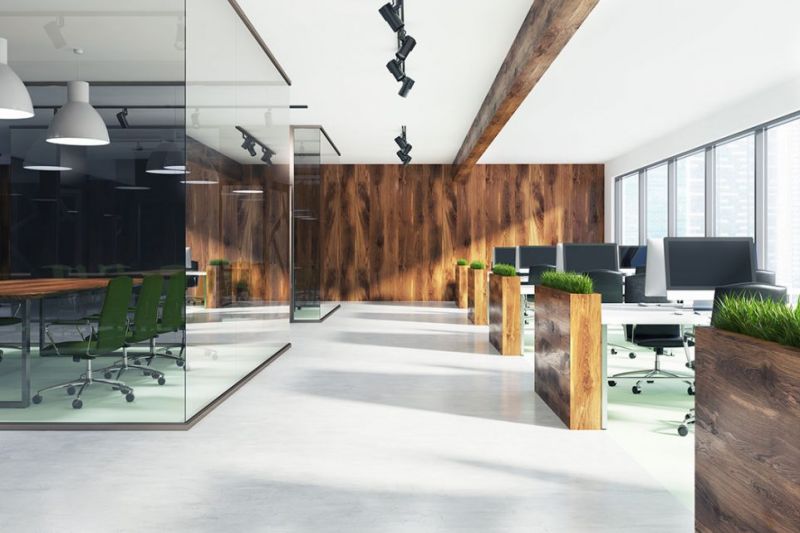
- Natural materials such as wood, stone, and bamboo
- Large windows and natural ventilation
- Organic shapes and textures
- Earth-inspired color palettes
Best Suited For
- Sustainability-driven organizations
- Healthcare and wellness companies
- Large corporate offices
- Creative teams
Practical Design Tips
- Choose low-maintenance indoor plants
- Position workstations near windows
- Use natural materials in furniture and flooring
- Blend greenery seamlessly with modern design
Biophilic offices create healthier, more restorative work environments.
5. Contemporary Office Interior Design
Contemporary office design reflects current trends while remaining flexible and timeless. Unlike modern design, which refers to a specific era, contemporary style evolves continuously.
Why Contemporary Design Is Popular
It adapts easily to changing technologies, work styles, and business needs.
Key Characteristics
- Neutral base colors with bold accent tones
- Clean yet dynamic furniture styles
- Smart lighting solutions
- Flexible layouts with multipurpose zones
- Subtle use of textures and materials
Best Suited For
- Corporate headquarters
- Professional service firms
- Growing organizations
Practical Design Tips
- Use modular furniture for flexibility
- Mix materials like glass, wood, and metal
- Update accent pieces regularly
- Design for future expansion
Contemporary offices balance aesthetics with long-term functionality.
6. Open-Plan Office Interior Design
Open-plan offices remove traditional walls and cubicles to create shared, collaborative environments.
Why Open-Plan Design Works
It encourages communication, teamwork, and transparency while making efficient use of space.
Key Characteristics
- Shared workstations
- Minimal partitions
- Informal meeting and breakout areas
- Flexible seating arrangements
- Acoustic solutions to manage noise
Best Suited For
- Startups
- Tech companies
- Creative teams
Practical Design Tips
- Include quiet zones for focused work
- Use acoustic panels and soft furnishings
- Define spaces using furniture and lighting
- Balance openness with privacy
Well-designed open offices feel energetic rather than chaotic.
7. Luxury Modern Office Interior Design
Luxury office interiors focus on elegance, comfort, and premium quality. They are designed to impress clients while providing an exceptional experience for leadership teams.
Why Choose Luxury Design
Luxury offices convey success, authority, and attention to detail.
Key Characteristics
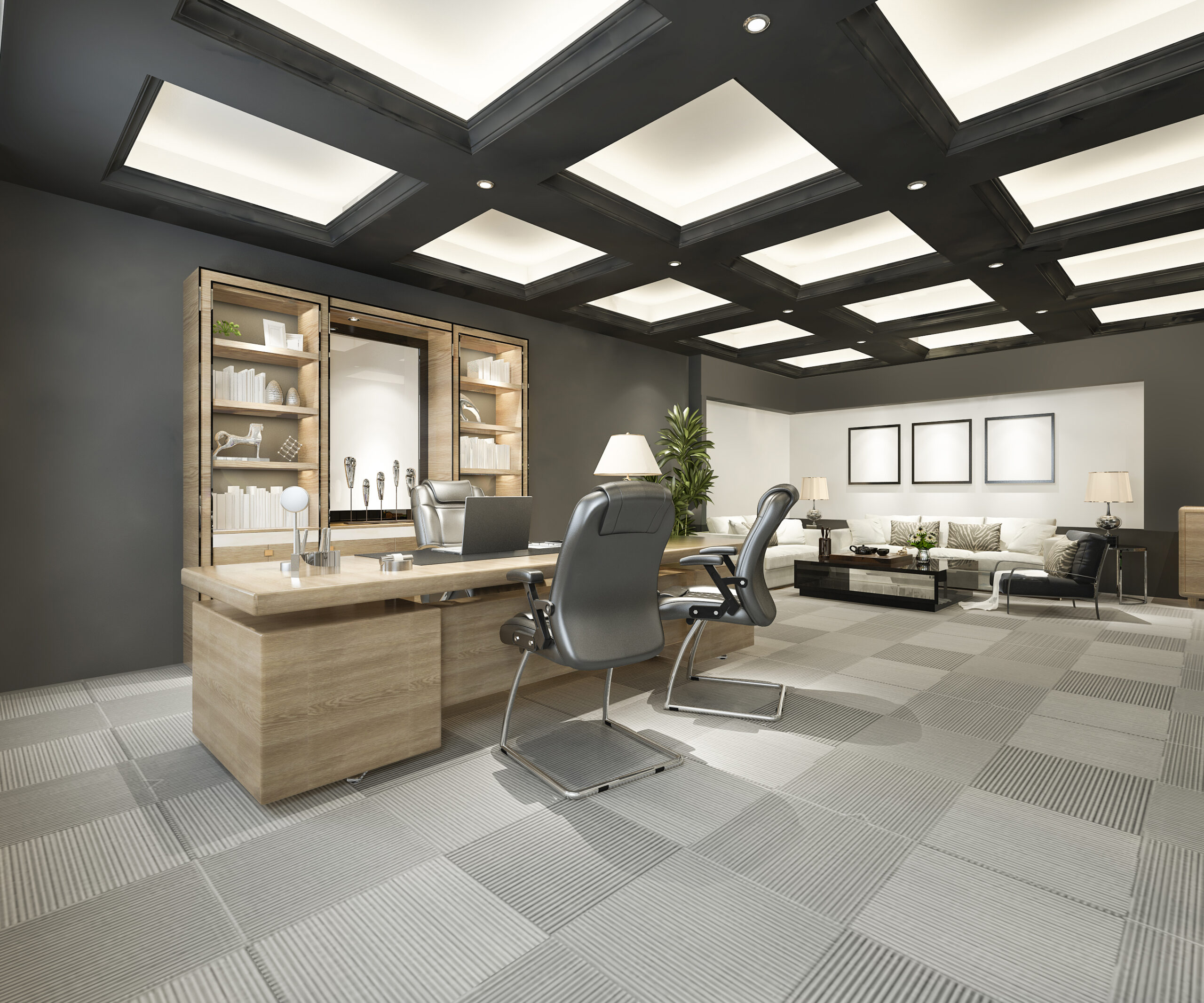
- High-end materials like marble, leather, and glass
- Custom-designed furniture
- Sophisticated lighting systems
- Rich, muted color palettes
- Curated art and décor
Best Suited For
- Executive offices
- Law firms
- Financial institutions
Practical Design Tips
- Prioritize craftsmanship over excess
- Maintain visual balance and symmetry
- Use layered lighting for ambiance
- Keep décor refined and cohesive
Luxury offices project confidence and professionalism.

8. Smart Office Interior Design
Smart office design integrates technology to enhance efficiency, sustainability, and user experience.
Why Smart Offices Are the Future
They improve operational efficiency while offering greater comfort and control to employees.
Key Characteristics
- Automated lighting and climate systems
- Smart meeting rooms
- Wireless charging stations
- Energy-efficient solutions
- IoT-enabled furniture and devices
Best Suited For
Practical Design Tips
- Tech companies
- Innovation hubs
- Large enterprises
- Integrate technology seamlessly into design
- Focus on user-friendly systems
- Prioritize data security
- Design with scalability in mind
Smart offices support modern, data-driven workflows.
9. Creative and Artistic Office Interior Design
Creative office design encourages innovation by breaking traditional rules and embracing bold ideas.
Why Creative Design Inspires
It stimulates imagination and fosters a culture of experimentation and expression.
Key Characteristics
- Bold colors and patterns
- Wall murals, graphics, and artwork
- Flexible seating options
- Unconventional layouts
- Playful décor elements
Best Suited For
- Advertising agencies
- Design studios
- Media companies
Practical Design Tips
- Align creativity with brand identity
- Allow employee personalization
- Balance artistic freedom with functionality
- Refresh visuals periodically
Creative offices feel dynamic, expressive, and alive.
10. Tech-Driven Office Interior Design
Built for innovation, agility, and collaboration.
Tech-driven office interior design is specifically tailored to the needs of technology companies, software firms, IT hubs, and digital startups. This design style focuses on flexibility, connectivity, collaboration, and future readiness while still prioritizing employee comfort and creativity.
Why Tech Offices Need Specialized Design
Tech teams often work in agile environments that demand constant collaboration, rapid iteration, and deep focus. A tech-oriented office must support multiple work modes—coding, brainstorming, virtual meetings, and product testing—often within the same space.
A well-designed tech office also helps attract and retain top talent by reflecting innovation, openness, and progressive company culture.
Key Characteristics
- Flexible and modular layouts
- High-speed connectivity infrastructure
- Integrated smart technology
- Collaborative zones and innovation hubs
- Minimal yet futuristic aesthetics
Core Design Elements
1. Agile Workspaces
Tech offices often use flexible furniture systems that can be easily reconfigured for sprint planning, team discussions, or solo work. Height-adjustable desks, movable whiteboards, and modular seating are common features.
2. Collaboration and Innovation Zones
Dedicated areas for brainstorming, stand-up meetings, and ideation are essential. These spaces often include writable walls, digital screens, and informal seating to encourage spontaneous collaboration.
3. Focus and Quiet Zones
Despite the collaborative nature of tech work, focused concentration is equally important. Soundproof pods, quiet rooms, and acoustic panels help reduce distractions and support deep work.
4. Integrated Technology
Technology is embedded into every aspect of the design:
- Smart meeting rooms with video conferencing tools
- Wireless charging stations
- Automated lighting and climate control
- Touchless access systems
5. Modern, Clean Aesthetic
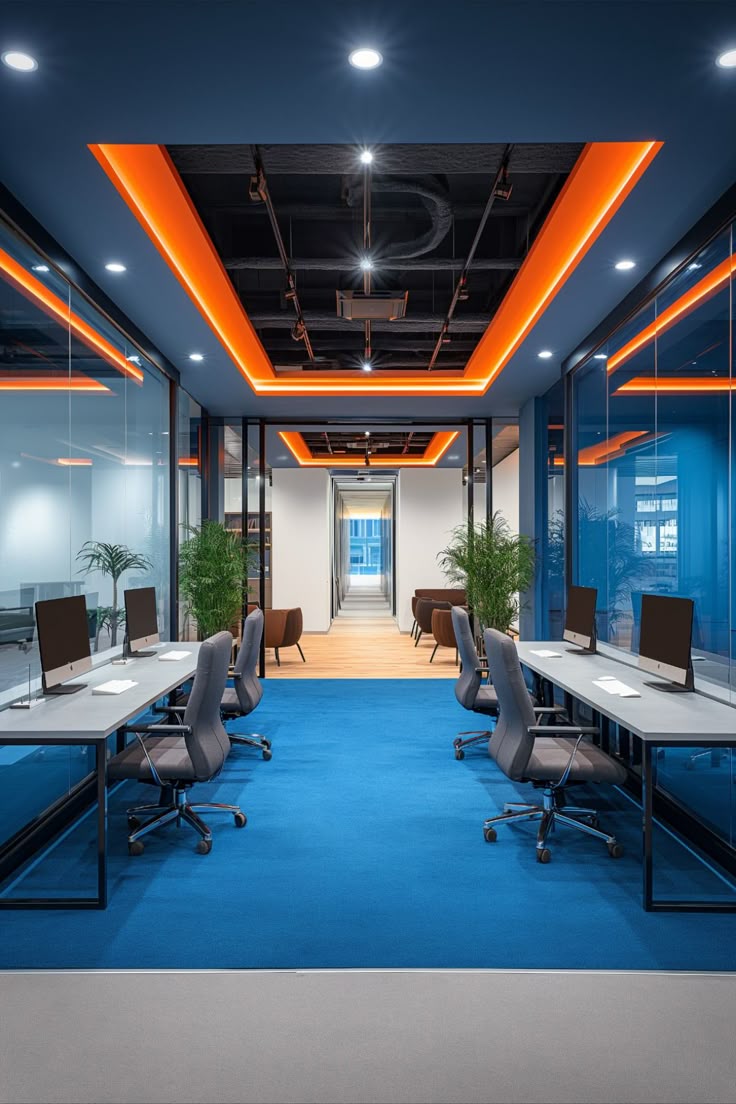
Tech offices often favor a sleek, contemporary look using neutral colors accented with bold brand tones. Glass partitions, LED lighting, and minimal décor create a futuristic yet functional atmosphere.
Best Suited For
- Software development companies
- IT and cloud service providers
- AI, fintech, and SaaS startups
- Research and development teams
Practical Design Tips
- Design with scalability in mind for future growth
- Prioritize cable management and power access
- Blend open collaboration areas with private focus spaces
- Use brand colors subtly to reinforce identity
- Ensure strong cybersecurity considerations for smart systems
Tech-driven office interiors are designed not just for how people work today—but for how they’ll work tomorrow.
👉 Would you like to incorporate biophilic elements into your office design?
📞 Call us today at +91-9702020297